
Views: 0 Author: Site Editor Publish Time: 2025-05-06 Origin: Site


Handles are an essential part of everyday life, appearing on doors, cabinets, and various pieces of furniture. They enable easy opening and closing, making them vital in residential, commercial, and industrial settings. Among the many types of handles, one stands out for its simplicity, ergonomics, and versatile design – the bridge handle.
In this comprehensive article, we will explore what a bridge handle is, its applications, key features, how to install it, and its advantages compared to other types of handles. By the end of this article, you'll have a thorough understanding of bridge handles and why they could be the perfect choice for your next project.
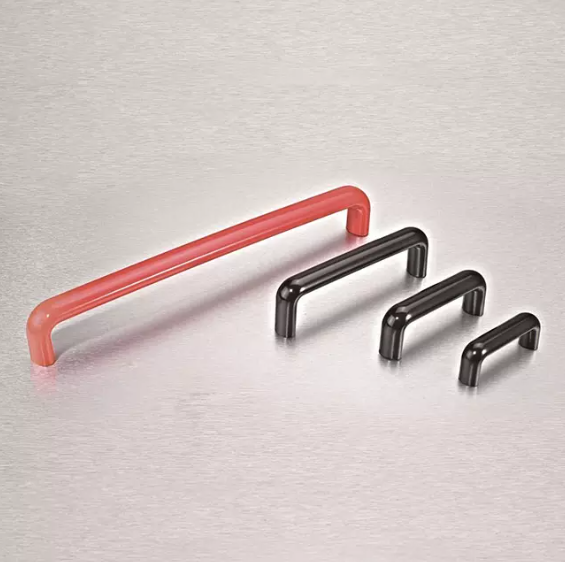
A bridge handle is a type of handle characterized by its simple, ergonomic design that makes it both easy to use and visually appealing. Typically, bridge handles feature a raised bar section in the middle that slopes downward at both ends, mimicking the shape of a bridge. This design not only offers aesthetic benefits but also makes them extremely practical to use. The raised central bar provides a firm grip, while the smooth, sloping sides make it easier to pull. Bridge handles are typically made from durable materials such as metal or plastic, making them ideal for long-term use.
The distinct design of the bridge handle ensures that it is comfortable to grip, even for individuals who may have mobility issues or require more ergonomic options. This is why bridge handles are often used in both residential and commercial settings, where ease of use is paramount.
The name "bridge handle" stems from the handle's shape, which resembles a bridge. The central raised section acts as the main "bridge" in the design, while the sloping sides resemble the supporting beams on either side of a bridge. This clever design not only provides a unique aesthetic but also adds to the functionality of the handle. The bridge handle is easy to grip from the sides or the center, which makes it more accessible than some other handle designs.
One of the most common applications for bridge handles is on doors. Whether you're installing a handle on an exterior door, interior door, or cabinet door, the bridge handle offers a sleek, minimalist design that fits a variety of architectural styles. The bridge handle is particularly suited for doors that have a flat surface and can support threaded fasteners.
Bridge handles provide a strong, comfortable grip that makes it easier to open doors. This feature is especially useful for doors that are heavy or frequently used, such as in commercial or industrial environments. Additionally, bridge handles add a touch of modern elegance to doors, which makes them a preferred choice for homeowners looking to upgrade their interior design.
When it comes to cabinets, bridge handles are equally popular due to their functionality and design. They offer a straightforward solution for cabinet drawers, doors, and cupboards. The raised bar section in the center of the handle makes it easy to pull open a drawer or door, and the sloping sides ensure a comfortable grip.
In kitchens, bathrooms, and living spaces, bridge handles provide a seamless way to enhance the aesthetic appeal of your cabinetry. Whether you're renovating your kitchen or designing a new bathroom, bridge handles offer a perfect balance of style and practicality. They are available in a wide variety of materials and finishes, from brushed stainless steel to sleek black plastic, making them suitable for various décor styles.
Bridge handles are also highly versatile and can be used on aluminum profiles, which are commonly used in modern construction and furniture design. Aluminum profiles require specialized handles, and bridge handles are the perfect match for this material. The lightweight nature of aluminum combined with the bridge handle's robust construction makes them ideal for doors, windows, and other applications that involve aluminum profiles.
Using bridge handles on aluminum profiles ensures not only functionality but also visual harmony. Their minimalist design blends well with the clean, sleek lines of aluminum structures, providing both practicality and style.
In addition to doors, cabinets, and aluminum profiles, bridge handles are used in a variety of other applications. You can find them on furniture, industrial machinery, and custom-designed equipment. For example, in industrial settings, bridge handles can be used to open heavy-duty storage units, filing cabinets, and machinery doors. Their durability and ease of use make them a great choice for environments that require frequent opening and closing of doors or drawers.
The versatility of bridge handles extends beyond residential use, making them ideal for both private and commercial applications.
Before you begin the installation process, gather the necessary tools and materials. You will need:
Screwdriver or drill to make the necessary holes
Threaded fasteners (screws) for securing the handle
Measuring tape to ensure proper placement
Level to ensure the handle is installed straight
Measure and Mark: The first step is to measure the correct position for the bridge handle. Use a measuring tape to mark the spots where the holes for the screws will go. Make sure the placement is even and symmetrical by using a level.
Drill Holes: Once the placement is marked, drill holes at the marked spots. Be sure to drill to the correct depth based on the size of the screws you will use. Use a drill bit that corresponds to the diameter of the screws.
Position the Handle: Once the holes are drilled, place the bridge handle over the holes. Align the handle so that it is positioned correctly and evenly on the surface.
Install the Screws: Insert screws through the holes at each end of the bridge handle. Tighten the screws carefully to secure the handle in place. Be cautious not to overtighten the screws, as this could damage the material or cause the handle to be misaligned.
Test the Handle: Once the screws are tightened, test the handle by pulling it to ensure that it is securely attached and operates smoothly.
The material of the bridge handle plays a significant role in both its durability and appearance. Common materials include:
Plastic: Lightweight and easy to install, plastic bridge handles are an affordable option for residential and commercial use. They are also resistant to corrosion and are comfortable to grip.
Metal: Metal bridge handles, such as those made from stainless steel or brass, offer increased durability and are ideal for heavy-duty applications. Metal handles are also more resistant to wear and tear, making them perfect for high-traffic areas.
Aluminum: Bridge handles made from aluminum are lightweight, durable, and resistant to rust and corrosion. They are ideal for outdoor applications or environments with high moisture levels.
When purchasing a bridge handle, it's important to check the type of threaded fasteners required for installation. Most bridge handles have a hole at each end, but the size and type of fasteners may vary. Ensure that you select the correct threaded fasteners to ensure a secure fit. Typically, M6 screws or similar fasteners are used for bridge handles, but this can vary depending on the handle's size and material.
The size of the bridge handle is another important factor to consider. A handle that is too large or too small may not provide the comfort or functionality you need. Be sure to select a size that fits the dimensions of the door or cabinet. Bridge handles are available in different lengths and shapes to match various types of doors, drawers, and cabinets.
The ergonomic design of the bridge handle is one of its primary advantages. The raised center provides a comfortable grip, making it easier to open doors, cabinets, and drawers without straining your hands. The sloping sides ensure that the handle is easy to grab from multiple angles, further enhancing its usability.
Beyond functionality, bridge handles add an aesthetic touch to any space. Their minimalist design makes them a great choice for modern interiors, and they pair well with a variety of design styles. Whether you're updating your kitchen or installing handles for new furniture, bridge handles provide a sleek, stylish option that complements your décor.
Made from high-quality materials, bridge handles are built to last. Metal handles, in particular, are known for their strength and ability to withstand frequent use. They are resistant to rust, corrosion, and wear, ensuring that they maintain their appearance and functionality for years to come.
When compared to traditional knobs or pull handles, bridge handles often have the edge in terms of ergonomic benefits. While knobs may be more compact, they can be harder to grip, especially for larger doors or cabinets. Bridge handles, on the other hand, offer a more comfortable and accessible grip.
In commercial settings, bridge handles are valued for their durability and functionality. They are often used in high-traffic areas, such as office buildings, warehouses, and industrial facilities. In residential spaces, bridge handles offer a modern, sleek design that enhances the aesthetics of the home, making them a popular choice for kitchens, bathrooms, and living rooms.
When selecting a bridge handle, it’s important to consider the quality of the material, the finish, and the overall construction. Look for handles made from durable materials like stainless steel or aluminum. Additionally, check for smooth finishes that are free of defects or imperfections. Customer reviews can also provide valuable insight into the handle's performance and durability.
In conclusion, bridge handles are a functional, durable, and stylish choice for doors, cabinets, and furniture. Their ergonomic design ensures ease of use, and their aesthetic appeal enhances the look of any space. Whether for residential or commercial use, bridge handles offer a reliable and attractive solution for your needs. Be sure to consider the material, size, and installation requirements to ensure that you select the perfect bridge handle for your project.
When choosing the right size, consider the size of the door, drawer, or cabinet. A bridge handle should be large enough to provide a comfortable grip, but not so large that it dominates the overall design of the furniture.
Yes, bridge handles can be installed on metal doors. You will need the appropriate fasteners and tools, but the installation process is similar to installing on wooden surfaces.
Yes, bridge handles are easy to maintain. Regular cleaning with a soft cloth and mild cleaning solution is usually enough to keep them looking new.
For outdoor use, stainless steel and aluminum bridge handles are the best choices due to their resistance to rust and corrosion.


 Wechat QR Code


